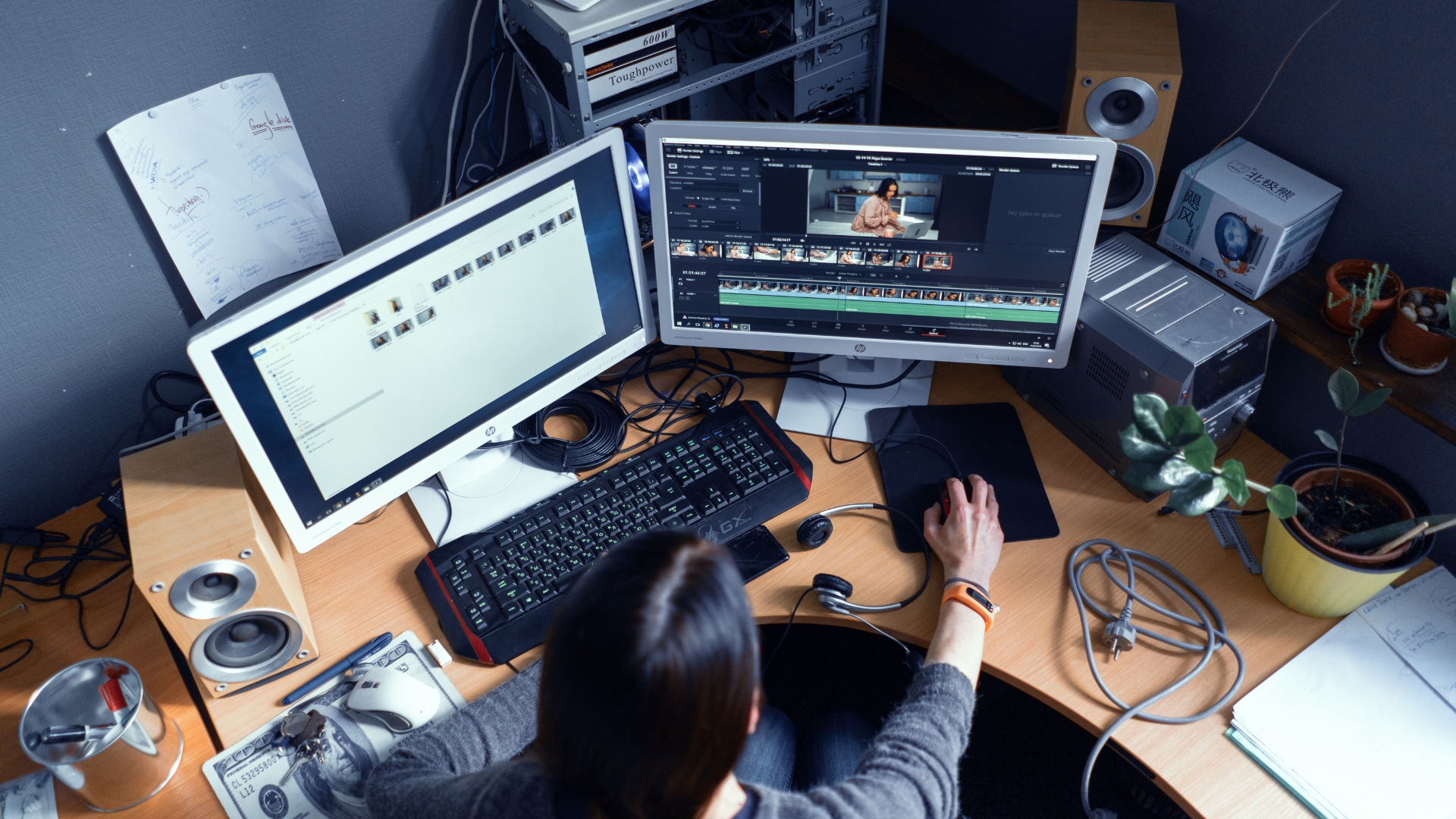

Whether you’re a seasoned musician or just starting your journey, chances are your music space has accumulated more gear than you actually use. From dusty pedals in a drawer to guitars collecting fingerprints in the corner, musical clutter can quickly pile up. While it might feel like a daunting task, that clutter doesn’t have to go to waste — it can be a source of extra income. With a little organization, strategy, and the right marketplace, turning unused instruments and equipment into cash is easier than you think.
Start by Taking Inventory
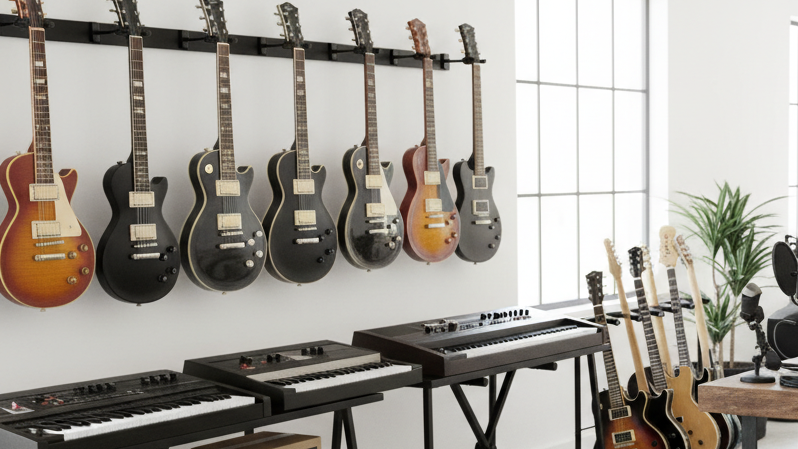
The first step to decluttering is knowing exactly what you have. Take a few hours to catalog all your instruments, amps, pedals, microphones, cables, and studio gear. Note down the brand, model, condition, and any accessories included. Not only does this help you see what’s worth selling, but it also allows you to research market prices for each item.

Be honest about the condition of your gear. A scratched guitar might not fetch the same price as a pristine one, but it’s still valuable to the right buyer. Even older equipment can be highly sought after if it’s rare or vintage.
Decide What to Keep and What to Sell
Once your inventory is complete, it’s time to make some decisions. Ask yourself questions like:
- Do I use this regularly?
- Would I replace it if it broke today?
- Is this better sold to fund a new piece of gear?

Gear you haven’t used in over a year is a good candidate for selling. Many musicians find that letting go of unused equipment not only clears space but also helps fund new purchases or upgrades. Selling on a trusted platform like Reverb can make this process easy, connecting you with buyers who are specifically looking for instruments like yours.
Clean and Prepare Your Gear
Presentation matters when selling music gear. Take time to clean instruments, polish metal parts, and replace worn-out strings or batteries. For electronics like pedals and synths, make sure they’re functioning properly. Including photos that highlight the condition of your gear is key — buyers want to see what they’re investing in.
Creating a detailed description for each item can also help it stand out. Mention the age, any modifications, and include honest notes about scratches or wear. Transparency builds trust and increases the likelihood of a smooth sale.
Choose the Right Marketplace
The platform you choose can make a huge difference in how quickly and successfully your gear sells. Marketplaces that specialize in musical instruments are ideal because they attract buyers who know what they’re looking for.

For instance, using a platform like Reverb connects you with a community of musicians and collectors actively searching for gear. Listing items there ensures your instruments are seen by people who appreciate them, increasing your chances of getting fair prices. These platforms often provide tools for tracking sales, calculating shipping, and even offering guidance on pricing.
Set Fair Prices and Be Flexible
Pricing your gear correctly is crucial. Research similar listings to understand the going rates for your items. If you’re selling vintage or rare pieces, factor in their collectibility, not just their original retail price. Many musicians use Reverb because it provides tools and insights to help set realistic prices and see what similar items are selling for.

Be open to negotiation — many buyers expect to haggle a little. Setting a slightly higher price initially allows you room to adjust while still getting a good return. Keep in mind that selling in bundles (like a guitar with an amp or pedalboard) can also attract buyers looking for convenience.
Ship Carefully and Communicate Clearly
Once your items sell, packaging them securely is essential. Use sturdy boxes, bubble wrap, and padding to prevent damage during transit. If possible, offer tracking and insurance to protect both you and the buyer.

Clear communication throughout the selling process helps build a positive reputation. Answer questions promptly, provide additional photos if requested, and be transparent about shipping times. Happy buyers are more likely to leave positive reviews, which can make future sales easier.
Enjoy the Benefits
Turning music gear clutter into cash has more than just financial benefits. It frees up space, makes your practice area more organized, and allows you to invest in gear you actually use and love. Selling unused instruments can also help other musicians who are looking for affordable, quality gear — it’s a win-win for everyone.
By taking inventory, preparing your gear, choosing the right marketplace like Reverb, and pricing smartly, you can transform your musical clutter into meaningful cash. Whether it’s funding your next studio upgrade or simply decluttering your space, selling unused instruments is a practical and rewarding strategy for any musician.
Last modified: January 5, 2026