
Bus travel has evolved significantly over the past century. What once began as small regional routes has developed into a vast transportation network connecting cities across North America. From dusty rural roads to modern highways stretching thousands of miles, the journey of bus transportation reflects broader changes in technology, infrastructure, and passenger expectations. Today, long-distance buses are not just a mode of transportation but an essential link connecting communities, economies, and cultures.
Humble Beginnings and Historical Roots
In the early 1900s, motorized buses began linking rural towns and urban centers. At a time when railways dominated long-distance travel, buses offered flexibility that trains could not. They could travel to smaller towns without requiring extensive rail infrastructure, making them ideal for connecting remote communities. Early bus operators often ran modest operations, sometimes with only a handful of vehicles serving limited routes.
Over time, these small services expanded and merged, creating structured routes and scheduled operations. As road systems improved and highways were developed, bus travel became more reliable and efficient. During this period of expansion, Greyhound emerged as a pioneering force in organized intercity transportation. The company helped standardize long-distance travel, introducing more coordinated schedules and broader route systems. Its growth reflected the increasing demand for affordable and accessible transportation between cities.
The mid-20th century marked a golden era for bus travel. As automobile ownership was still growing and commercial aviation remained expensive, buses offered an economical way for families, workers, and students to travel long distances. Bus terminals became central hubs in many cities, symbolizing mobility and opportunity.
Expanding the Network Across North America
As infrastructure improved, bus routes expanded across state and national borders. Today, long-distance bus services span thousands of miles across the United States, Canada, and Mexico. This extensive coverage allows passengers to reach destinations that may not have convenient airport access or direct rail connections. The flexibility of road travel enables passengers to reach both major metropolitan areas and smaller communities with ease. Unlike fixed rail lines, buses can adapt routes based on demand, making transportation more inclusive. For many towns, bus services remain one of the most dependable connections to larger cities.
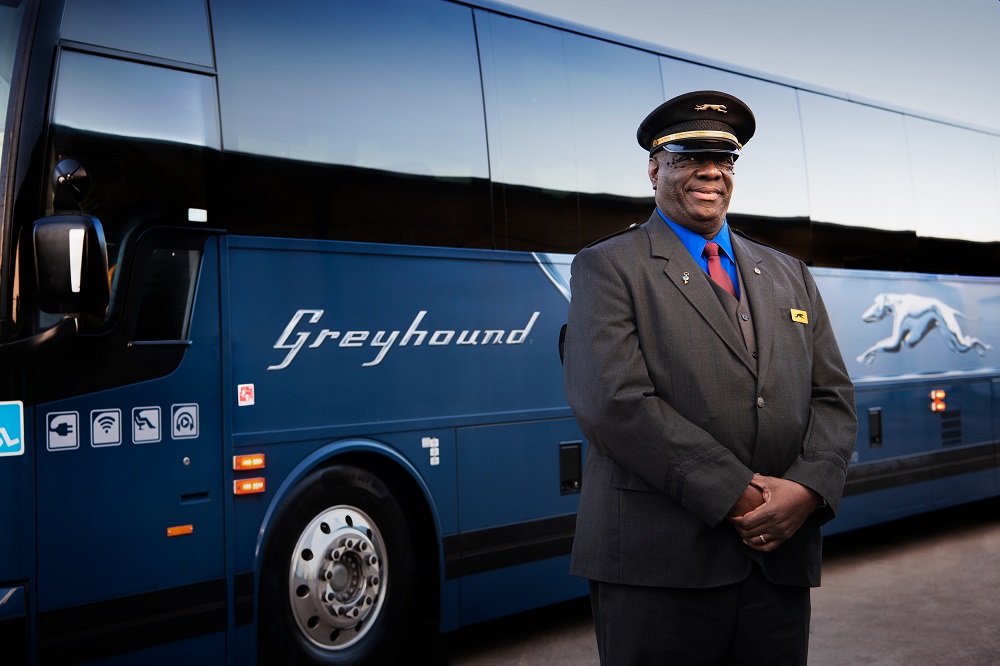
Greyhound played a major role in building this cross-country connectivity, linking regions and enabling affordable travel options for millions of passengers. Whether traveling for work, education, tourism, or family visits, road transportation has consistently offered practical solutions.
Modern Comfort and Technology Integration
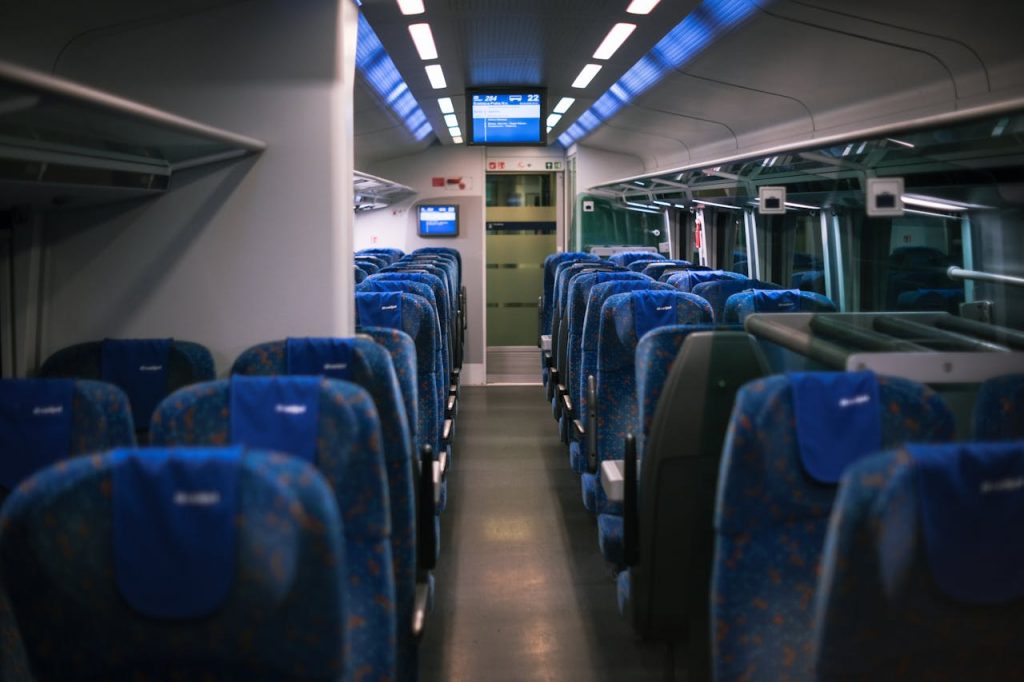
Advancements in technology have significantly improved the passenger experience over the past few decades. Modern buses are designed with comfort and convenience in mind. Reclining seats with additional legroom allow travellers to relax during long journeys. Climate control systems maintain comfortable temperatures regardless of weather conditions outside.
Wi-Fi connectivity and charging ports have transformed the onboard experience. Passengers can work remotely, attend virtual meetings, stream movies, or stay connected with friends and family throughout their journey. Digital ticketing has simplified the boarding process, reducing paperwork and improving efficiency.
These technological improvements have shifted public perception of bus travel. What was once considered a purely budget option is now viewed as a smart and practical alternative to other forms of transport. Greyhound has adapted to these expectations by integrating modern amenities and digital tools into its services, ensuring that passengers receive both affordability and convenience.

Sustainability and Greener Travel Options
As environmental awareness grows, bus travel stands out as a more eco-friendly alternative compared to many other transportation options. Consolidating multiple passengers into a single vehicle significantly reduces emissions per person. This efficiency makes long-distance buses a practical choice for environmentally conscious travellers.
Compared to individual car travel, buses help decrease traffic congestion and lower fuel consumption per passenger. While air travel remains essential for long-haul journeys, buses provide a greener solution for medium-distance routes. Transportation companies continue to explore cleaner technologies and improved fuel efficiency to further reduce environmental impact. By choosing bus travel, passengers contribute to a more sustainable transportation system while still enjoying affordable fares and accessible routes.
Looking Forward
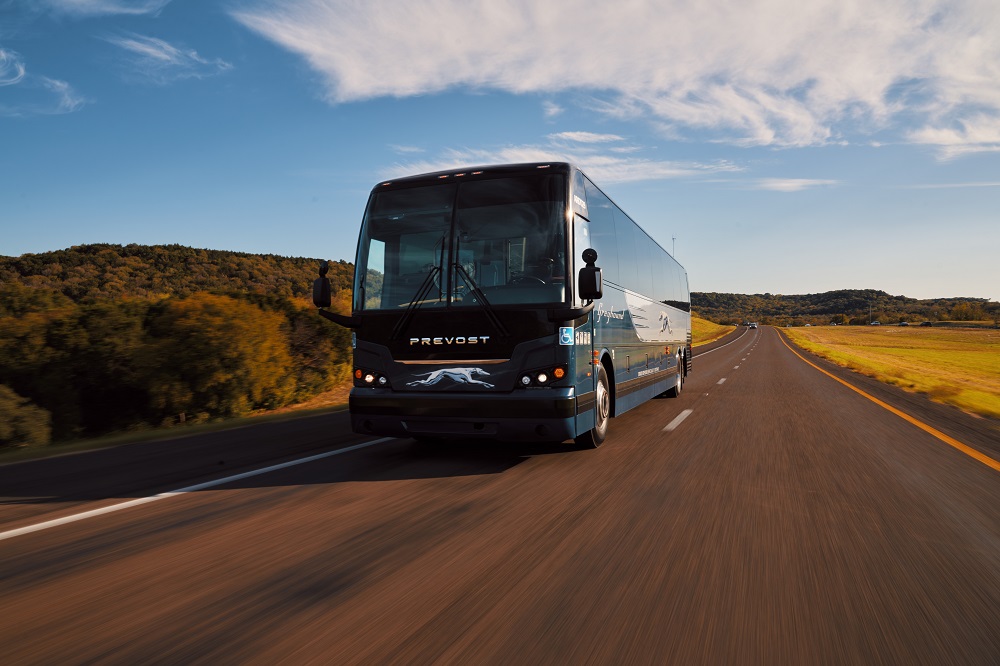
The future of bus travel continues to focus on improved passenger comfort, technological innovation, and operational efficiency. Enhanced booking platforms, real-time tracking systems, and upgraded vehicle designs are shaping the next phase of intercity transportation. Automation and smart mobility systems may further streamline operations in the coming years.
Greyhound remains part of this ongoing transformation, adapting to modern travel expectations while maintaining its core mission of accessible and affordable transportation. As cities grow and mobility demands evolve, long-distance buses will continue to play a vital role in connecting people across regions.
Final Words
From its humble beginnings in the early 20th century to today’s technology-enabled journeys, bus travel has demonstrated resilience and adaptability. It has survived shifts in transportation trends, economic changes, and evolving passenger expectations. Greyhound has been woven into this history, contributing to the growth and modernization of intercity road travel.
It remains a practical, affordable, and increasingly comfortable way to connect cities and communities. As transportation continues to evolve, bus travel stands as a testament to how innovation and accessibility can move millions of people forward—both literally and figuratively.
Last modified: February 10, 2026